A Study of Smooth Jazz Piano
Great pianists have always crossed paths with Smooth Jazz Piano and within this style they discover a fresh new way of making music.
From its compositions, chords, scales, voicings, and solos, this musical style is one of the most fascinating in the world of jazz piano.
That is why, if you want to reach a higher musical level, you should broaden your knowledge with Smooth Jazz Piano.
What Is Smooth Jazz Piano?
Smooth Jazz Piano is a musical style that emerged in the early 1980s. It is a fusion of rock and jazz, with the piano cast in the leading role.
That said, the first steps were taken back in the early 1960s, led by Miles Davis.
In the same vein, Herbie Hancock set a clear precedent with compositions that heralded the birth of a brand-new style.
At the same time, Chick Corea is regarded as another of the early pioneers of this genre, which today stands as one of the most important in all of music.
The Best Smooth Jazz Pianists
If you want to start listening to Smooth Jazz Piano compositions, you should begin with Herbie Hancock, Chick Corea, Joe Zawinul, Brian Kelly, Brian Culbertson, and others.
A Smooth Jazz Piano Method
To take your first steps in this musical style, the best method is the one created by Mark Harrison.
This book contains five chapters that come with accompanying audio, rounding out the audiovisual study for the up-and-coming pianist.
So then, what can you learn with this Smooth Jazz Piano method? Let's dive in.
Smooth Jazz Piano Scales and Chords
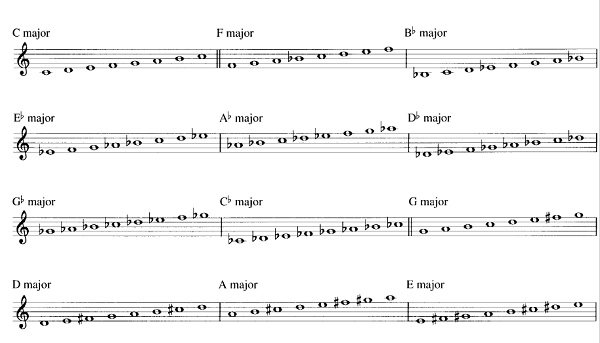
For the author of this method, it is essential that the pianist has a solid foundation in the knowledge and execution of scales—major, minor, and the modes.
In the same way, it offers a review of key signatures in every key. You will also take a look at the Dorian and Mixolydian modes, the pentatonic scale, and more.
At the same time, it explores the blues scale, harmonic and melodic scales, and chord triads along with their inversions.
Harmony and Voicings
In this section, you deepen your knowledge of chords and chord inversions, but from a critical perspective aimed at building voicings.
The major and minor triads are explored in all of their inversions, since they contribute so much to harmony and voicings.
In the same way, you expand your knowledge of seventh chords and their inversions.
Progressions and Accompaniment
From this section onward, you explore the rhythmic concepts that are characteristic of Smooth Jazz Piano.
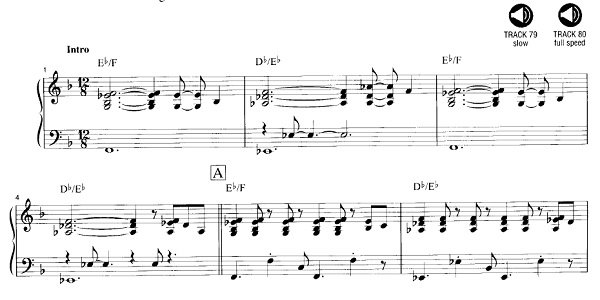
The subdivisions of triplets, dotted notes, and compound time signatures such as 12/8 are central to this genre. You will also practice various types of grooves built on chords and their inversions over syncopated beats.
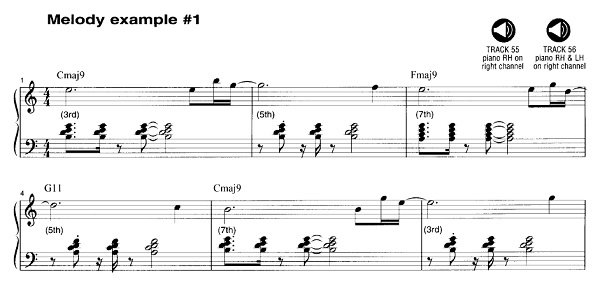
This entire chapter is designed so that the pianist can listen to the audio, follow the instructions in the written score, and master the rhythmic figures of Smooth Jazz Piano.
Among many other interesting aspects of this method, you will get to explore melodies, solos, and an entire chapter featuring excerpts from the most important compositions.
So you have a fantastic opportunity right in front of you to begin your musical training in Smooth Jazz.
Remember that you can download the PDF file, and we have also included the RAR archive with the audio.
1 Comments

saludos