Blues Piano for Beginners

From here on out, things get exciting with the best blues piano method for beginners. Yes, we're talking about Hanon piano, which has absolutely everything a new piano student needs to take those first steps with confidence.
What is the Hanon blues piano method for beginners?
Just like Hanon Jazz, Hanon Blues Piano for beginners is a method written by composer and skilled pianist Leo Alfassy.
What makes this method so interesting? It's easy to say, but not so easy to explain. This method was designed to give you technical development on par with classical piano, but grounded in the harmonic and rhythmic foundations of the Blues.
You wouldn't believe how hard it is to find pianists with solid technique! That's because most players tend to downplay the importance of classical piano, but Alfassy doesn't see it that way, which is exactly why he decided to create this blues piano method for beginners.
Parts of the Hanon blues piano method
In the Hanon Blues Piano method for beginners, you'll find harmonic and melodic elements, ornaments, technical aspects, and short compositions.
Stylistic elements of blues piano for beginners
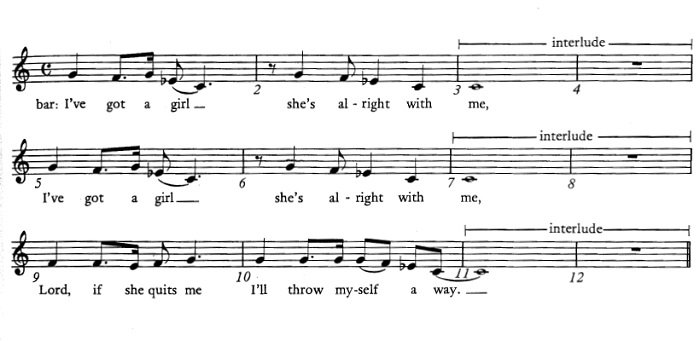
The first part of this method tackles piano melodies, which are rhythmic and melodic patterns for the right hand that almost sing the tune, but with musical notes.
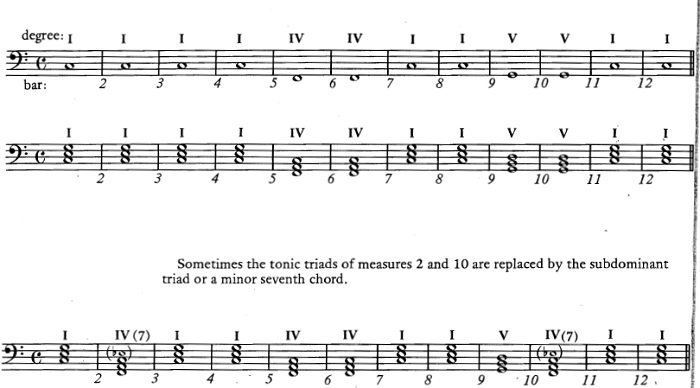
The method then moves straight into harmonies, the left-hand chords that accompany the phrases played by the right hand.
These voicings are built mainly on minor seventh chords, and we invite you to check out our posts on guitar chords, where you'll learn a bit about the theory behind how they're built.
Other important topics in this first part are that the Hanon blues piano method for beginners covers the bass, blues notes and scales, as well as meter and tempo.
Exercises
The Hanon blues piano method for beginners doesn't keep you waiting and moves on to the second phase: exercises for mastering basic note values such as half notes, quarter notes, and eighth notes.
What's surprising is that the student is introduced right away to syncopation, which, put simply, is a slight rhythmic delay that comes just before the first strong beat of the measure. This device is the foundation of the Blues, and also of traditional and modern Cuban salsa.
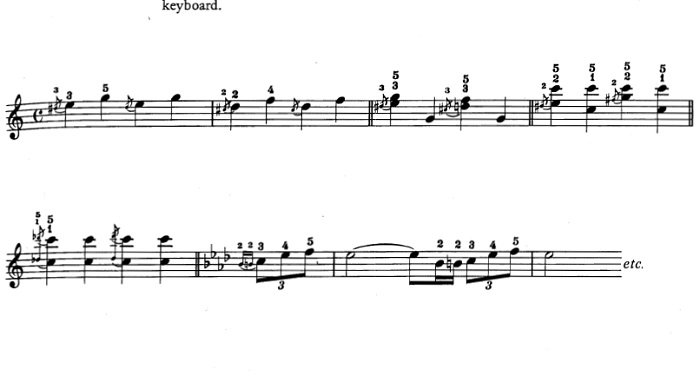
Another extremely important device is parallel thirds and sixths in the right hand, along with blues notes, simple triplets, and compound triplets, which are somewhat tricky rhythms for the newcomer, but ones that will soon help develop a sense of rhythm.
One aspect of blues piano melodic technique is grace notes, which are actually called "turns" (grupetos), and this book covers them as early as the second lesson.
This way, the new blues piano student will be able to build the technical and melodic skills that form the foundation of this musical style.
Short blues compositions
This is a blues piano method for beginners, but it places special emphasis on getting the new student playing as soon as possible. That's why, once you finish the second lesson, everything takes the form of short musical compositions.
We love this, and we know every new pianist will appreciate it.
Now, we know you always want to have the method on hand, which is why we're making it free to download so you can dive right into your practice.