Studying Salsa Piano

Yes, the time has come to begin your study of Salsa Piano, one of the most important musical styles we have.
We're talking about our culture, our DNA — it's the way we make sense of every other kind of music, because Salsa Piano is our native language.
Best of all, thanks to the globalization of music, everyone can now enjoy the ultimate expression of Latin American and Afro-descendant music.
What is salsa piano?
Salsa was born in the Caribbean basin and from there it reached the rest of the world, thanks to the contributions of Puerto Rican, Cuban, Colombian, Venezuelan, and many other musicians.
That's why salsa is a genre born from the fusion of the Cuban Son with four other genres, such as Jazz and Blues, along with other Caribbean musical forms.
It was the Dominican Johnny Pacheco who, back in the 1960s, popularized Salsa Piano in New York. From there it went on to become the music of the world, of the land, and of the people.
So it's fair to say that salsa piano is everyone's music, and we are all salsa.
The best method to begin studying Salsa Piano
The music publishing house Hal Leonard has dedicated itself to creating some of the finest study methods out there. Among them you'll find Salsa Piano, written by Hector Martignon.
In this salsa piano method you'll find a two-part explanation that covers all the fundamentals you need. After working through this book, you'll notice how salsa piano feels different to you, because you'll understand it on a much deeper level.
Part 1: the basics of Salsa Piano
In this first part of salsa piano you'll find a brief, two-part account of its origins, tracing its roots in Caribbean music. It also covers its connection to Cuban music, the arrival of the piano, and the earliest pioneers of salsa piano.
Names like Ignacio Cervantes, Noro Morales, Lino Frias, and Pérez Prado were the first to bring salsa to the piano. What's more, Cuba and New Orleans are more closely connected than we might think — and salsa is the key.
Puerto Rico, the Dominican Republic, and the rhythms of Afro-Cuban music are the first steps of Salsa Piano.
It was classically trained musicians who managed to distill salsa piano into musical language and make it timeless.
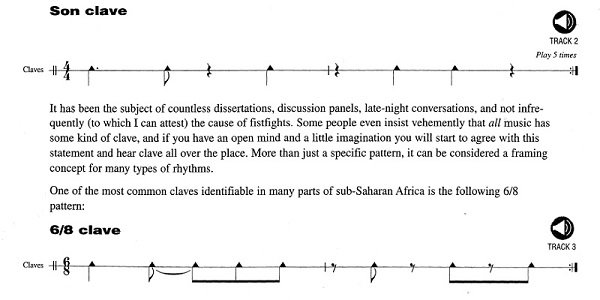
There's the 4/4 time in son clave, which is a style in its own right. There's also 6/8 time in a syncopated clave. These early tempos sprinkle in that distinctive salsa piano flavor.
The conga, the rumba, the timbales, and the snare all conspire to give salsa a rhythmic richness like no other.
Part 2: advanced features of Salsa Piano
Here there's plenty of material to work and practice with for hours, because the salsa piano method never rests — and it doesn't want you to rest either.
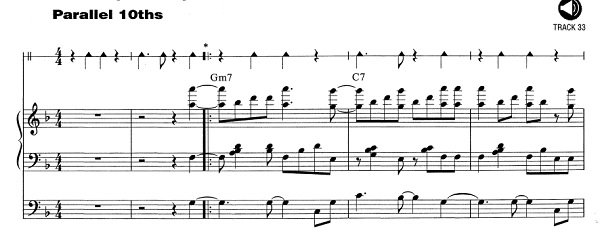
You'll find harmonic variations, cadences, tumbao, Son, and montuno-style harmonizations. You'll also find harmonies in parallel tenths, which are characteristic of Salsa Piano, and much more.
For all these reasons, Hector Martignon's salsa piano method is essential study for anyone who wants to reach a high level in composing and performing salsa.
Yes, once again we've kept you in mind and we're letting you download the complete method for free. So don't miss this chance to become a hero of Caribbean salsa — and salsa around the world.